
Should you wait or get help? How to choose the right approach for your child's sound swaps
Many parents notice their child saying "wabbit" instead of "rabbit" or turning "go" into "do" and wonder whether to wait it out or call a professional. This article walks through five of the most common sound substitutions children make, the typical age ranges when each usually resolves, and how a licensed speech-language pathologist at Lots Of Speech in Plantation, FL assesses and treats these patterns using play-based, individualized sound swapping articulation therapy. By comparing assessment options, in-clinic versus teletherapy approaches, and home-based strategies versus targeted phoneme substitution therapy, you’ll be better equipped to choose the right path for your child.
1. W for R (gliding): when it’s typical and when to intervene
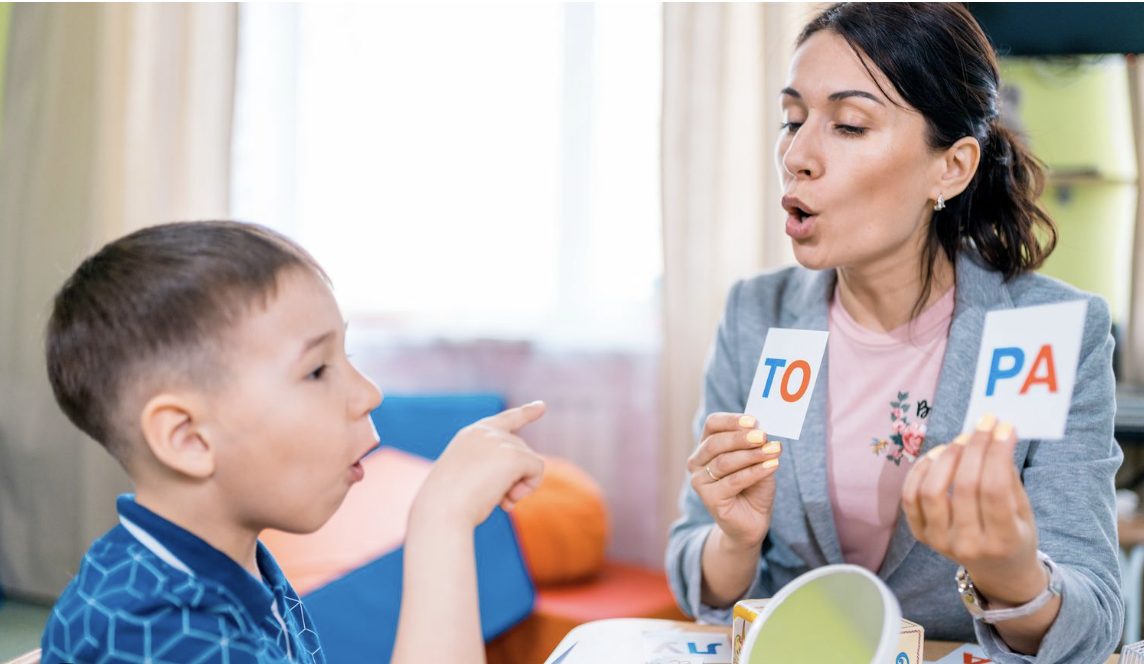
Gliding is common when children replace /r/ with /w/ (for example, "rabbit" becomes "wabbit"). Many children produce a simplified /r/ sound during early development, but persistent gliding after about six years old can affect intelligibility and reading-related skills. At Lots Of Speech, our pediatric speech-language pathology assessment starts with a playful conversation and structured sound sampling to pinpoint whether the child’s /r/ is delayed, stimulable, or has a motor pattern that needs targeted work. Treatment uses play-based phonetic placement and shaping techniques, combined with minimal pairs to contrast "wabbit" versus "rabbit," and caregiver coaching so parents can practice short, motivating activities at home. We offer both in-person sessions in Plantation, FL and teletherapy to fit family schedules.
2. F and TH substitutions: distinguishing phoneme errors from lisps
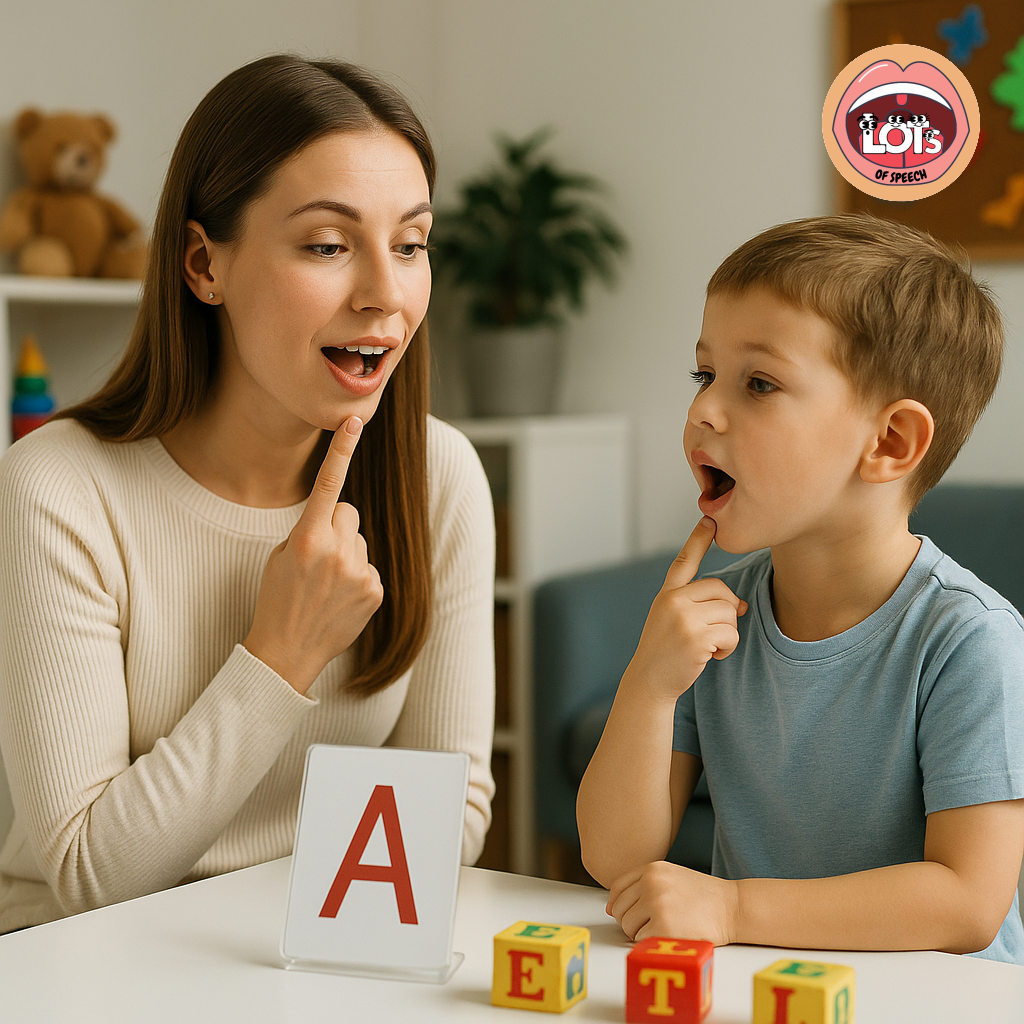
Some children substitute /f/ for /θ/ or produce a dentalized sound that sounds like a lisp. Typical development for interdental and labiodental sounds varies, but if a child is still consistently swapping these sounds past four to five years old, it can warrant targeted intervention. Our assessment includes a stimulability check to see whether the child can produce the target with a prompt and a phonetic and phonological analysis to determine whether the error is a consistent substitution. Phoneme substitution therapy at Lots Of Speech pairs play-based tasks with tactile cues, mirror work, and structured practice. Parents receive simple routines to reinforce correct tongue placement during everyday moments like snack time, and we gradually shift from single sounds to words and conversation to ensure real-world carryover.
3. D for G or G for D (backing and fronting): what it means and how we treat it
When a child says "do" for "go" or the reverse, they’re showing fronting or backing of velar consonants. Velar sounds like /k/ and /g/ normally emerge by preschool age, but persistent substitutions beyond about four years may indicate an articulation disorder that benefits from therapy. At Lots Of Speech, our licensed SLP evaluates whether the issue is motoric, sensory, or a phonological pattern. Treatment options compared during planning include direct articulation work focused on tongue placement, versus phonological contrast approaches that teach the difference between sounds using games. We tailor the approach based on what moves a child’s performance most quickly, always keeping sessions playful and rooted in the child’s interests.
4. S and Z distortions (lisps): correction strategies and timelines
Sibilant distortions are some of the most noticeable sound swaps. A lateral or interdental lisp can make "sun" sound like "thun." Many children refine sibilants between four and six years of age, but persistent lisps that affect clarity are excellent candidates for targeted intervention. During assessment, we look at tongue posture, airflow, and the child’s ability to shape sibilants with visual and tactile feedback. Treatment is highly individualized: some children benefit from motor-based placement and shaping, while others respond faster to phoneme substitution therapy using minimal pairs. At Lots Of Speech, parents are coached to use short, consistent practice opportunities embedded in daily routines instead of long drills, which keeps learning natural and fun.
5. T for K or other fronting patterns: why early evaluation helps
Fronting occurs when back sounds like /k/ and /g/ are produced as front sounds like /t/ and /d/. These are often resolved in typical development by preschool age, but if fronting persists, it can affect later speech and literacy skills. Our assessment compares the child’s spontaneous speech sample with structured tasks and measures stimulability for the target sounds. For treatment we compare two common approaches: traditional articulation drills that focus on correct tongue placement and airflow, and phonological approaches that use contrasts and language-based activities to reorganize the child’s sound system. Lots Of Speech blends these strategies as needed and emphasizes family involvement so gains transfer into everyday conversation.
Choosing the right path: evaluation, therapy, and parent partnership
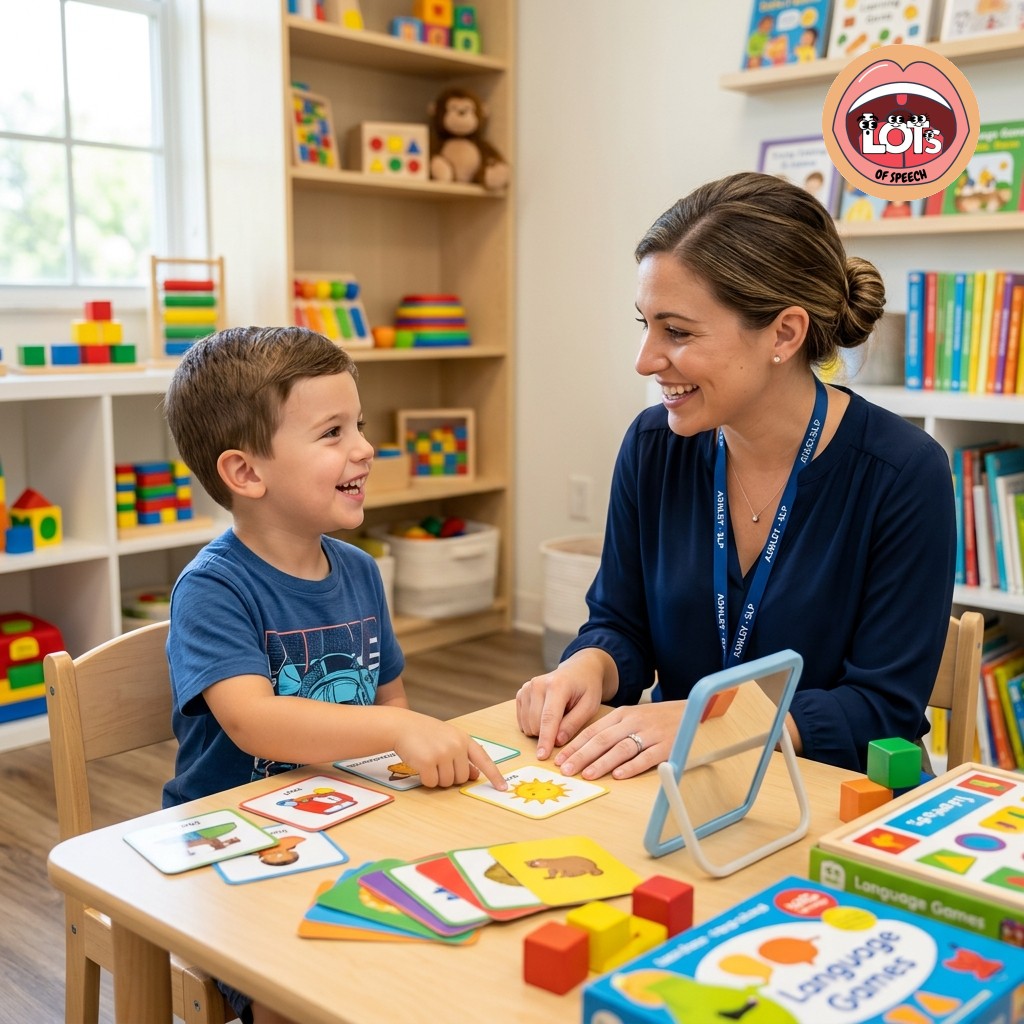
Deciding between watchful waiting and active therapy depends on your child’s age, how frequently the swaps occur, and how much they affect everyday understanding. A licensed SLP at Lots Of Speech will give you a clear assessment, explain whether the pattern is developmentally appropriate or one that benefits from sound swapping articulation therapy, and outline a personalized plan that fits your child’s strengths and interests. Our play-based, evidence-informed approach and parent-coaching model help families make steady progress in a way that feels natural and sustainable. If you’re in Plantation, FL and wondering whether your child could benefit from targeted articulation disorder treatment, an early screening can clarify the next best steps.
Learn more: Articulation Therapy Sound Swapping Plantation FL.
Frequently Asked Questions
When should I request an evaluation for my child’s sound swaps?
If your child consistently substitutes one sound for another past the typical age ranges—for example, still saying /w/ for /r/ after age six—schedule a screening. Early evaluation helps decide whether a wait-and-see approach is appropriate or whether targeted therapy will help your child’s intelligibility and confidence.
What is phoneme substitution therapy and how is it different from articulation drills?
Phoneme substitution therapy focuses on teaching the difference between two sounds using contrasts and meaningful words, while articulation drills often focus on motor placement for a single sound. Lots Of Speech uses both approaches, selecting what works best for each child and embedding practice into play and daily routines.
Do I need a doctor’s referral and do you offer teletherapy in Plantation, FL?
No physician referral is required to get started. Lots Of Speech offers both in-person sessions in Plantation, FL and teletherapy options so families can choose the setting that fits their schedule and comfort level.
Ready to learn which approach is best for your child?
Schedule a free screening with a licensed SLP at Lots Of Speech to get a clear assessment and personalized plan. We’ll explain whether sound swapping articulation therapy or another approach will help your child communicate more clearly, and we’ll show you simple ways to support progress at home.