
A practical plan to help your child communicate with confidence
If your child is on the autism spectrum and you want clear, practical steps to improve communication, this article will walk you through what to expect and how to get started. You will learn how speech therapy for autism at Lots of Speech combines play-based sessions, evidence-informed techniques, and parent coaching to create meaningful progress. By the end, you will understand the assessment and goal-setting process, how therapy sessions work, and everyday strategies you can use to turn typical routines into communication opportunities.
Step 1 — Assess communication needs and set meaningful goals
Start by identifying the specific communication skills that matter most in your child’s daily life. At Lots of Speech, our evaluation focuses on expressive language, receptive language, social communication and pragmatic skills, speech clarity, and any need for augmentative and alternative communication. The result is a set of measurable, functional goals such as increasing spontaneous requests during snack time, improving single-word intelligibility, or initiating a greeting with a peer. When goals are tied to routines and interests, children have more opportunities to practice and generalize skills across settings. During the initial consultation we discuss these priorities with families and recommend next steps that match your child’s strengths and sensory profile.
Step 2 — Begin play-based therapy and learn caregiver coaching techniques
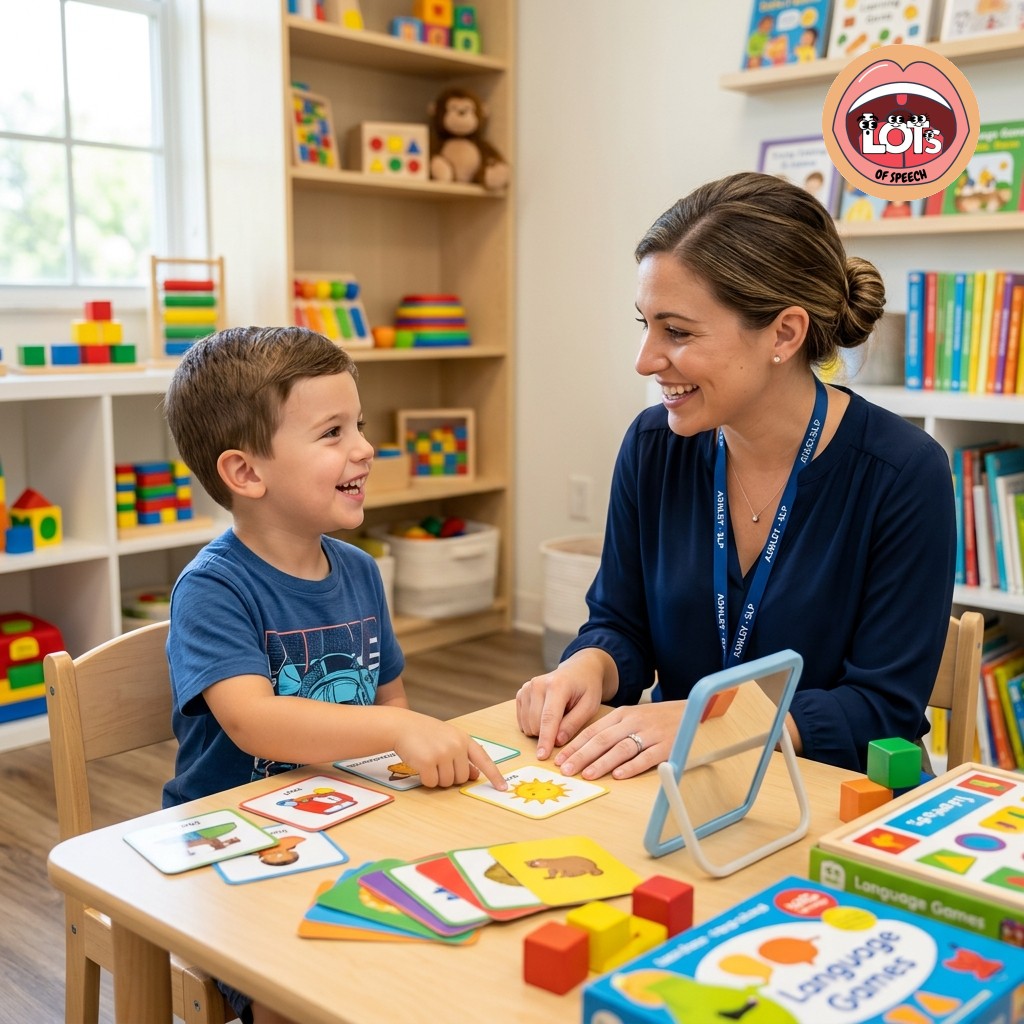
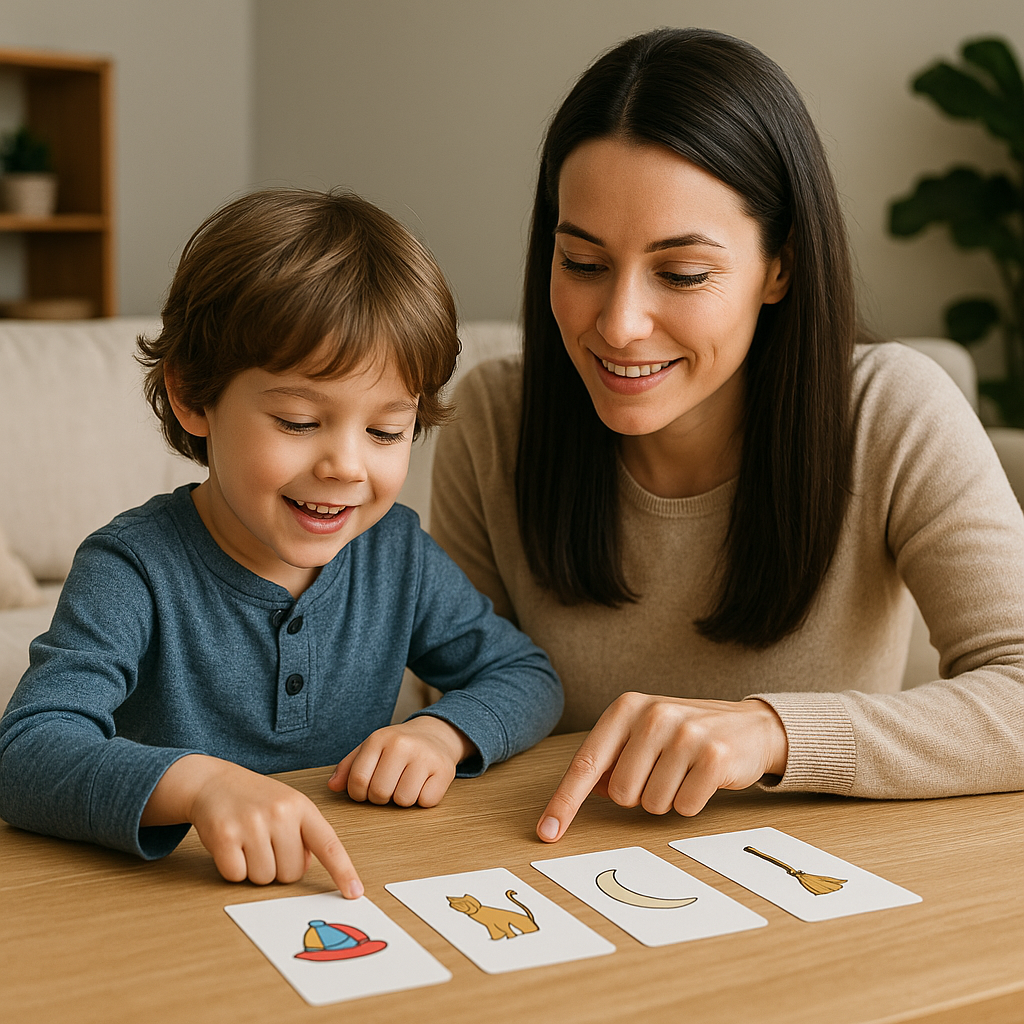
Therapy should feel like play, not work. Our clinicians use structured, play-based activities that naturally motivate communication while targeting the goals identified in the assessment. Sessions include modeling, visual supports, simple routines and turn-taking activities that are fun and predictable for the child. A core element of our approach is parent coaching. Caregivers receive practical strategies they can use during everyday moments like meals, bath time, transitions and play. Coaching focuses on easy-to-implement techniques such as offering clear choices, pausing to give the child time to respond, modeling language at the right level, and using visuals or gestures when helpful. These strategies create thousands of natural learning opportunities between sessions and empower families to support communication all day long.
Step 3 — Practice consistently, measure progress, and adapt the plan
Progress in speech therapy for autism is measured with functional, observable benchmarks rather than abstract scores. Clinicians track changes such as increased spontaneous requests, longer turn-taking in social exchanges, or improved clarity at the single-word and sentence level. We review this progress regularly with families and change teaching methods or goals as needed. At home, small consistent practices matter: narrating activities, offering limited choices, and modeling brief phrases during play. For children who use AAC, consistent modeling and daily use of the device accelerates learning. Families can choose in-person sessions or teletherapy based on what fits their schedule and comfort level. Throughout therapy, our team keeps your child’s interests central so learning stays engaging and meaningful.
Take the next step toward clearer communication
Speech therapy for autism at Lots of Speech is practical, play-based, and family-centered. By starting with a clear assessment, using motivating activities, and equipping caregivers with simple strategies, children make measurable gains that matter at home, school, and with friends. If you want guidance on what to try first or how to set functional goals, a free screening and consultation can clarify next steps. No physician referral is required to begin.
Learn more: Autism Speech Therapy Plantation FL Page.
Frequently Asked Questions
What ages do you work with for speech therapy for autism?
Lots of Speech supports children beginning in early intervention around six months through school age, typically up to 18 years. Therapy is tailored to developmental level and communication needs rather than chronological age alone.
Can therapy be done remotely?
Yes. We offer both in-person sessions and teletherapy. Teletherapy uses the same play-based, parent-coaching model so caregivers can learn strategies and practice them in natural routines at home.
How soon will I see progress in my child’s communication?
Speed of progress varies by child and the goals set, but families often notice small changes within weeks when strategies are used consistently across daily routines. We track measurable goals and adjust the plan to keep progress steady and meaningful.
Ready to get started?
Schedule a free screening and consultation with Lots of Speech to discuss your child's needs and create a personalized plan that fits your family.