Why the terms 'evaluation' and 'assessment' get confused—and why it matters
Many Plantation parents hear the phrases speech assessment vs evaluation and assume they mean the same thing. That confusion can make the first steps toward speech therapy feel overwhelming. This article explains the difference between a pediatric speech evaluation and an ongoing speech language assessment, describes what to expect during your child’s first appointment at Lots of Speech, and shows why understanding the distinction leads to better diagnosis and treatment planning for your child.
What a pediatric speech evaluation is: a focused starting point
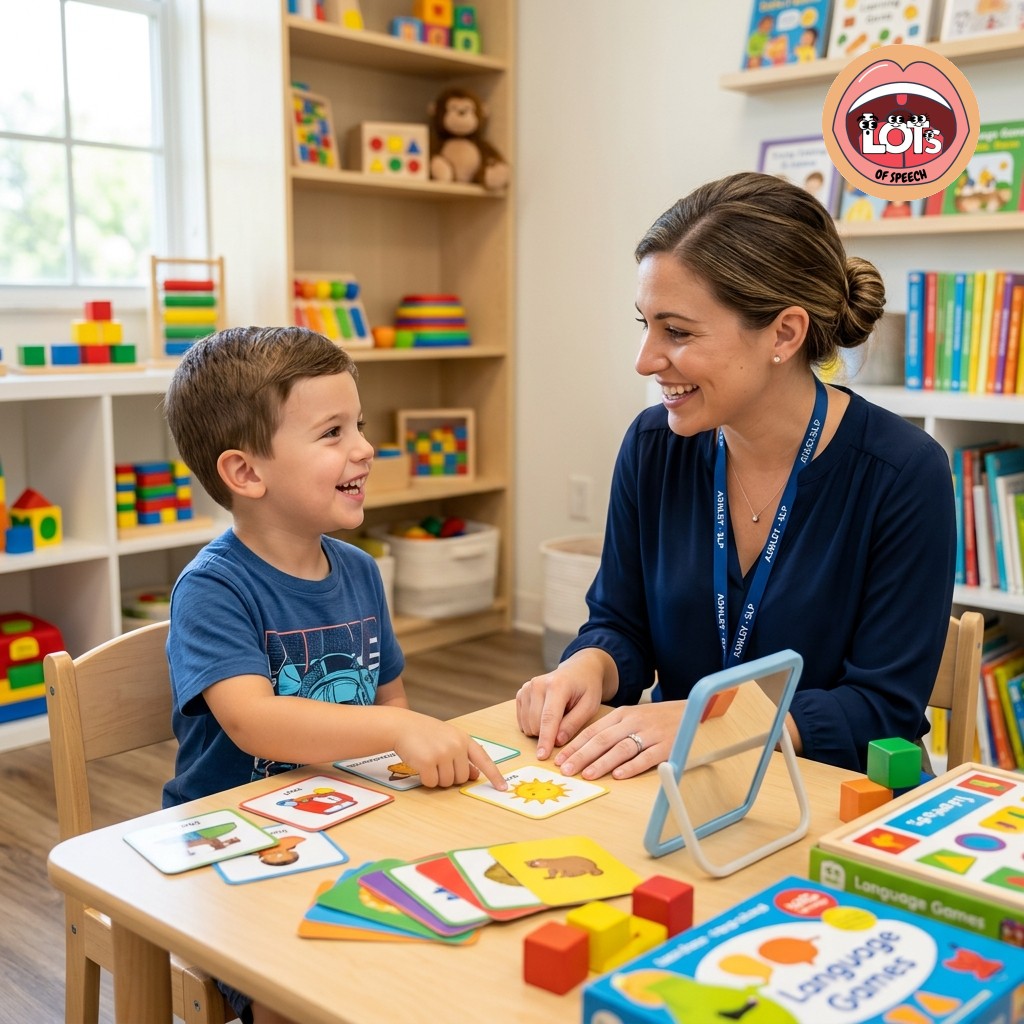
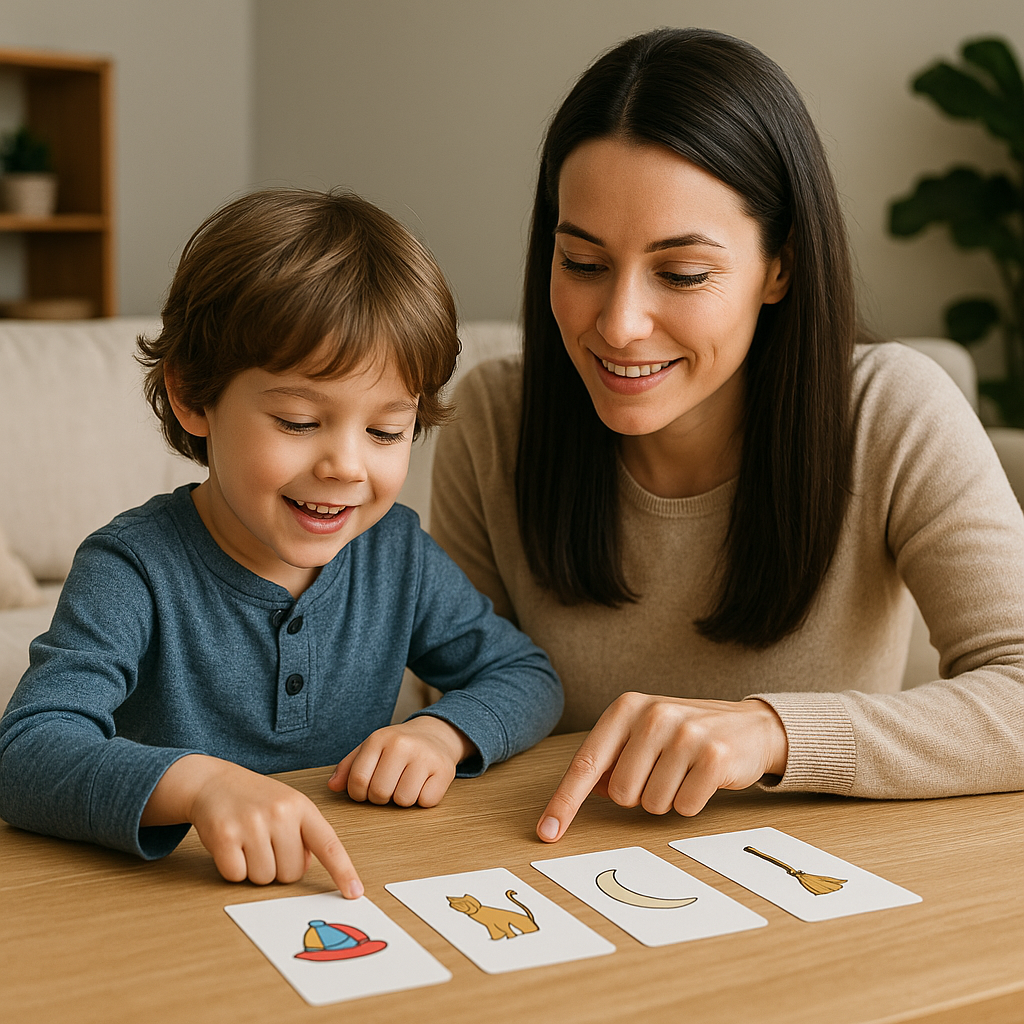
A pediatric speech evaluation is the comprehensive, one-time review clinicians use to understand where a child is now. At Lots of Speech, an evaluation begins with a conversation about your child’s development, medical history, and your main concerns. The clinician gathers samples of your child’s speech and language through play-based tasks, standardized measures when appropriate, and caregiver input. The goal of a pediatric speech evaluation is to identify strengths and areas of need, determine whether a speech sound disorder, language delay, fluency issue, feeding concern, or other communication difference is present, and recommend next steps. Parents in Plantation often find evaluations are warm, informal, and centered on the child’s interests—nothing like a school test.
What a speech language assessment means in ongoing therapy
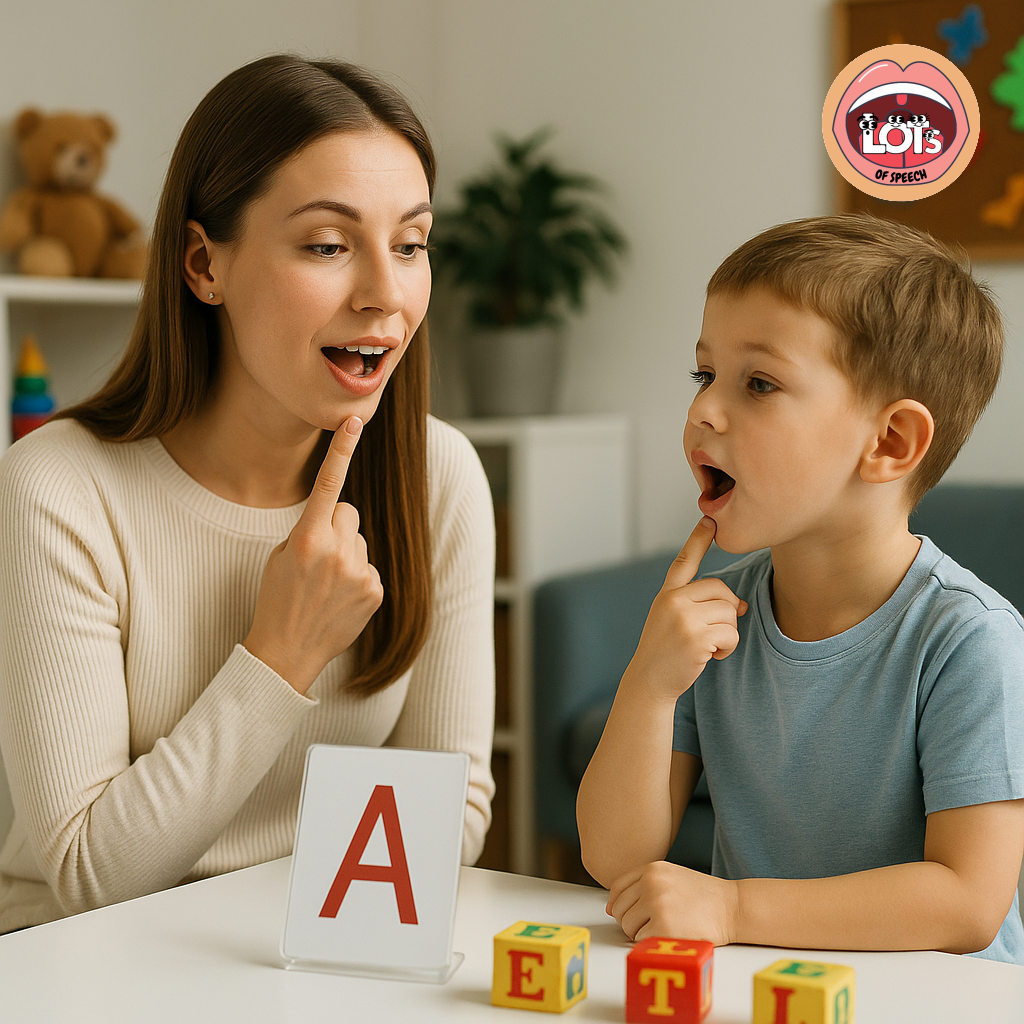
A speech language assessment is broader and ongoing. Whereas the initial pediatric speech evaluation provides a diagnostic snapshot, a speech language assessment tracks progress, measures response to intervention, and refines goals over time. At Lots of Speech, assessment happens through regular data collection during sessions, language sampling, caregiver observations from home routines, and periodic formal re-testing when needed. This continuous assessment informs session planning, helps prioritize target skills, and lets families see measurable growth. Understanding speech assessment vs evaluation helps parents know that therapy is not a single event but a process that adapts as a child progresses.
What to expect at your child’s first appointment in Plantation
Most families begin with a free screening and consultation to discuss concerns and determine whether a full pediatric speech evaluation is recommended. If you move forward, expect a 45- to 90-minute evaluation that blends play, structured tasks, and parent interview. The clinician, often an ASHA-certified SLP like Ashley Lotringer, M.S., CCC-SLP, will observe speech sounds, expressive and receptive language, social communication, and feeding behaviors when relevant. You’ll receive clear explanations, examples of strengths and difficulties, and a recommended plan that may include teletherapy or in-person speech therapy Plantation FL sessions. The emphasis at Lots of Speech is evidence-based, play-led assessment and immediate, practical next steps for families.
Why the distinction matters for diagnosis and treatment planning
Confusing evaluation and assessment can delay appropriate treatment. An initial pediatric speech evaluation gives diagnostic clarity and eligibility information, while ongoing speech language assessment tailors therapy and measures effectiveness. Knowing which you’re receiving helps set expectations: an evaluation answers what is going on now and why, and assessment answers whether therapy is working and what to adjust next. Lots of Speech pairs evaluation results with a parent-coaching model, so caregivers leave with strategies to use at home and a clear plan for progress monitoring. That partnership increases carryover and speeds meaningful communication growth.
Takeaway: both evaluation and assessment are important steps toward your child’s voice
For Plantation parents starting the speech therapy journey, understanding speech assessment vs evaluation makes the process less intimidating. The initial pediatric speech evaluation identifies needs and suggests a path forward. Ongoing speech language assessment keeps that path focused and responsive to your child’s growth. At Lots of Speech we combine play-based, evidence-informed evaluation with family-centered assessment and coaching so children learn in ways that feel like play and families feel confident supporting progress. If you’re unsure which step is right for your child, a free screening and consultation will clarify the best next steps.
Learn more: Eval vs Assessment Speech Therapy Plantation FL.
Frequently Asked Questions
Do I need a doctor's referral for a pediatric speech evaluation?
No. Lots of Speech typically begins with a free screening and consultation and does not require a physician referral to schedule a pediatric speech evaluation.
How long does an initial evaluation take and what should I bring?
Initial evaluations usually last 45 to 90 minutes. Bring any past reports (early intervention, school, or medical notes), a list of your concerns and developmental milestones, and items that help your child engage, such as a favorite toy or snack.
Will an evaluation immediately result in therapy recommendations?
Yes, most evaluations include clear recommendations. That may mean starting speech therapy Plantation FL sessions, beginning parent coaching strategies, collecting more information, or scheduling follow-up assessment to monitor progress.
Ready to clarify next steps for your child?
Schedule a free screening and consultation with Lots of Speech to determine whether a pediatric speech evaluation or ongoing speech language assessment is the right first step. We offer play-based, family-centered services in person and via teletherapy for children from early intervention through school age.