Understanding Articulation Delays at Home
Many parents assume that a child who mispronounces sounds will simply grow out of it. Some speech differences do resolve with time, but persistent sound errors can make a child harder to understand and may affect confidence, classroom participation, and social interactions. Home pediatric speech therapy in Plantation can give children focused support in a familiar setting where they feel comfortable and ready to communicate. This article explains how in-home sessions address articulation delays, how play-based activities make sound practice engaging, and how parent coaching helps families continue progress during everyday routines.
What an Articulation Delay Can Look Like
Articulation refers to the way a child forms individual speech sounds. A child with an articulation delay may substitute one sound for another, leave sounds out, add extra sounds, or produce a sound unclearly. For example, a child might have difficulty with sounds such as k, g, f, s, sh, ch, or r. The specific pattern, the child’s age, and how often the error occurs all matter when deciding whether an evaluation could be helpful.
Parents in Plantation may notice that familiar family members understand their child more easily than teachers, friends, or extended relatives. If your child becomes frustrated when others ask them to repeat themselves, pediatric articulation help can provide useful answers. Lots Of Speech Pediatric Therapy begins with a free screening and consultation, followed by a comprehensive evaluation when appropriate. This process helps identify the sounds that need support and guides an individualized therapy plan.
How Home Visits Support Speech Sound Practice
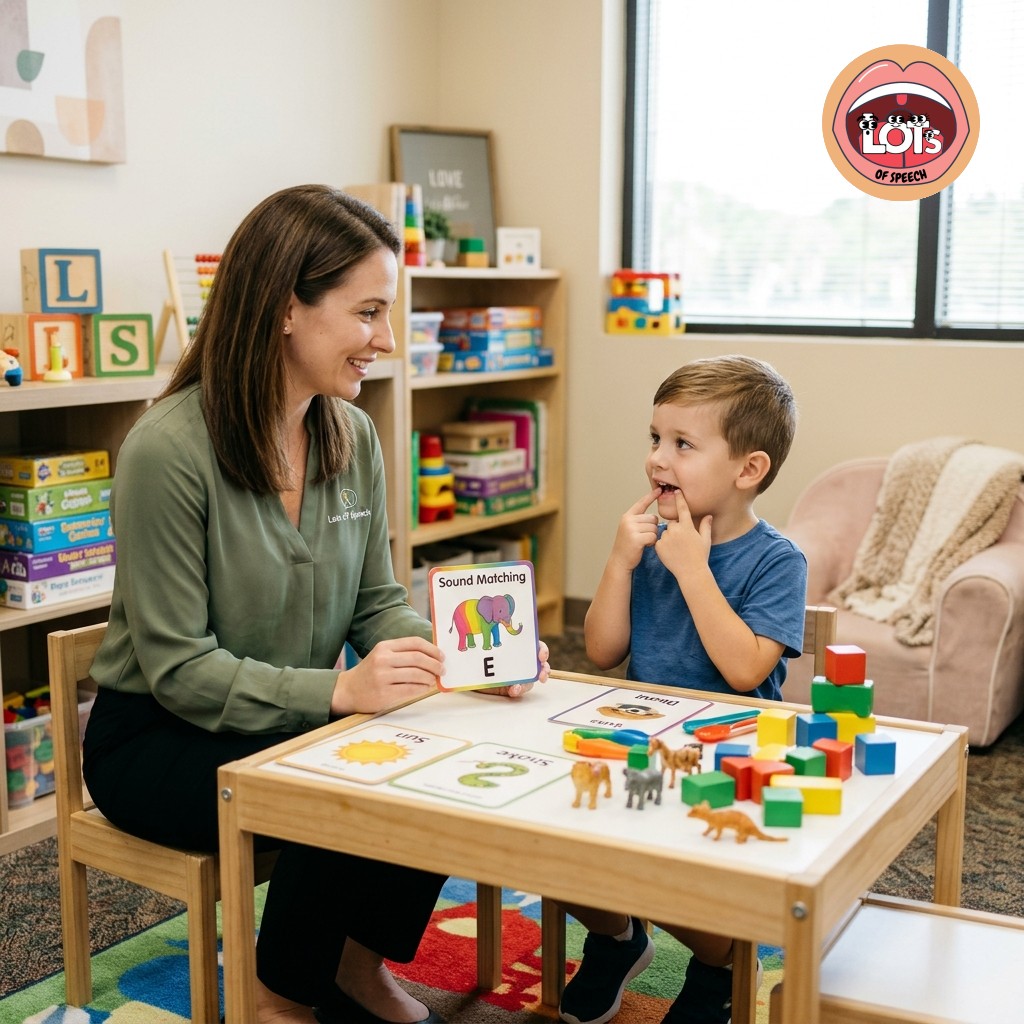
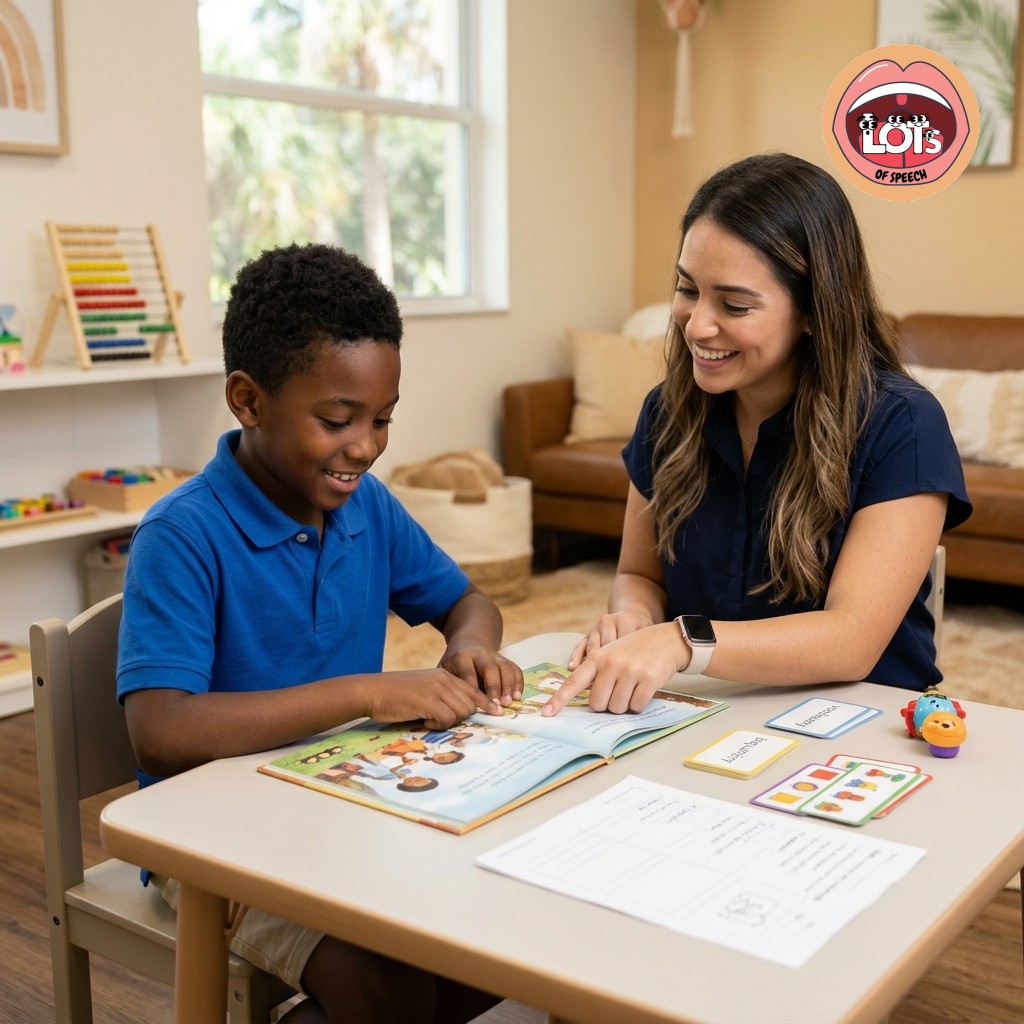
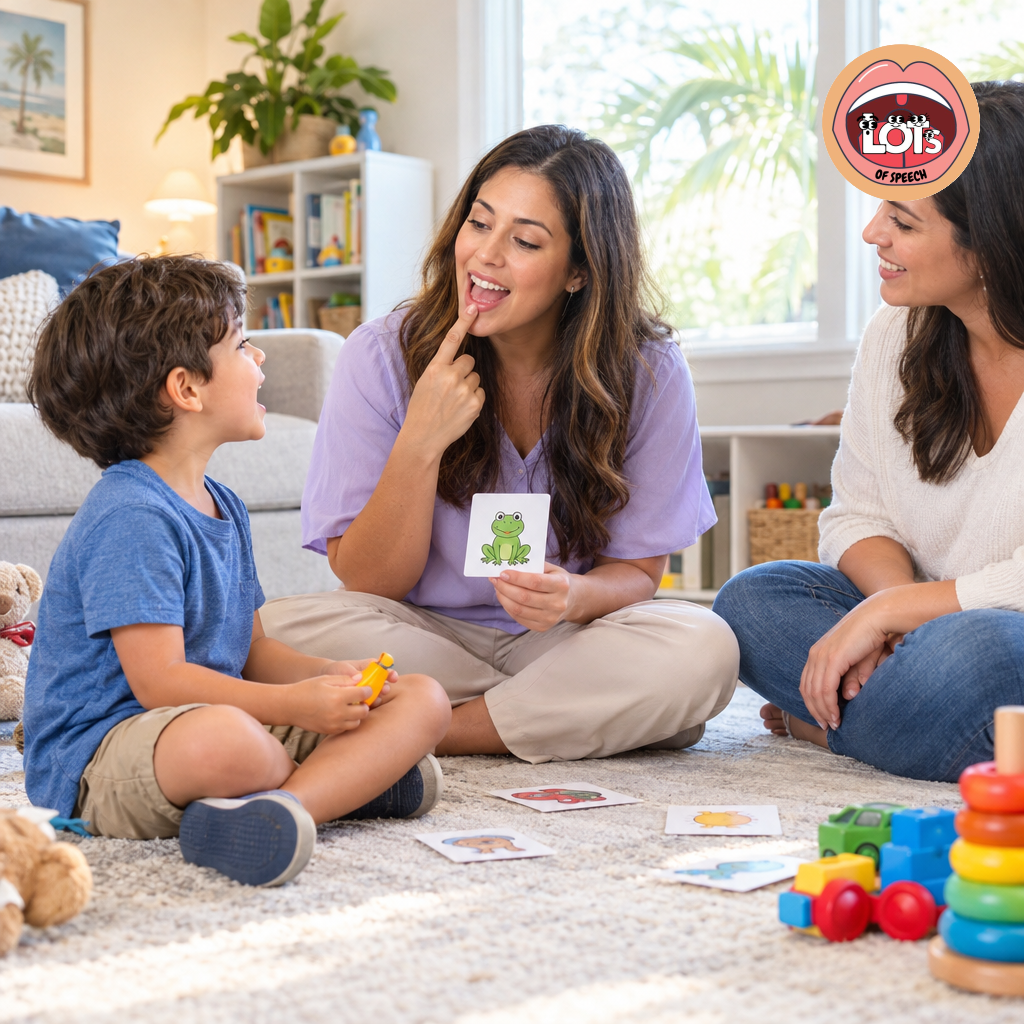
In-home speech therapy allows a child to work on speech sounds in the place where many important conversations already happen. During a home visit, a speech-language pathologist can use familiar toys, books, household objects, and daily activities to create meaningful opportunities for practice. Instead of repeating sounds without context, the child may practice a target sound while naming toys, describing pictures, answering questions, or participating in a game.
Sessions remain structured while feeling playful. The therapist may listen for how the child produces a sound, provide an age-appropriate model, and guide the child through increasingly difficult practice. Activities can move from a sound by itself to the sound in words, phrases, sentences, and natural conversation. This gradual approach helps children build accuracy while keeping practice motivating. It also allows the therapist to adjust the activity based on the child’s interests, communication style, and attention that day.
Why Familiar Settings Can Increase Engagement
A new clinic environment can feel overwhelming for some young children. They may be distracted by unfamiliar rooms, reluctant to separate from a caregiver, or unsure about what therapy involves. A familiar home setting may reduce some of that anxiety and make it easier for the child to participate. When children feel secure, they often have more opportunities to attempt new sounds, communicate their needs, and respond to feedback.
Home-based care can also help the therapist understand how the child communicates naturally. The therapist may observe how your child talks during play, requests help, interacts with siblings, or responds during transitions. These observations can make therapy more relevant to real communication needs. Lots Of Speech uses personalized, play-based intervention to help children find their voice, with sessions designed around their strengths and interests rather than a one-size-fits-all routine.
How Parent Coaching Extends Progress Between Visits
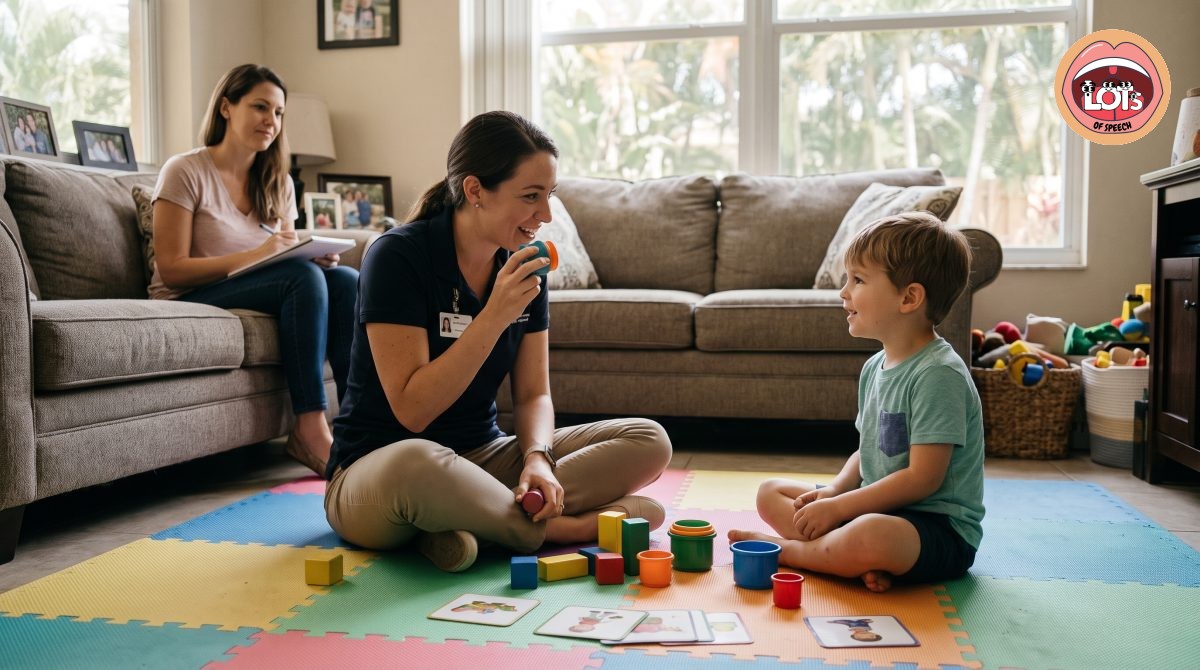
Speech therapy is most effective when children have supportive opportunities to practice between sessions. Parent coaching gives caregivers practical ways to reinforce target sounds without turning home life into a set of drills. During a session, the therapist may demonstrate how to model a sound, offer a helpful prompt, or respond when a child makes an approximation. Caregivers can then use those strategies naturally during play, mealtime, bath time, reading, or getting ready for school.
The goal is not to correct every word or pressure a child to repeat sounds constantly. Instead, parents learn how to create short, positive practice opportunities and celebrate communication attempts. A caregiver might repeat a target word clearly, pause to give the child a chance to respond, or choose a few familiar words for gentle practice. These small routines can help children connect accurate speech sounds with meaningful daily communication.
Helping Your Child Communicate With Greater Confidence
An articulation delay does not have to be addressed through stressful or disconnected practice. Home pediatric speech therapy in Plantation brings targeted speech sound support into a child’s natural environment, where familiar routines and favorite activities can encourage participation. Play-based sessions can focus on specific sounds, while parent coaching helps families carry those strategies into everyday life.
If you are concerned about speech sounds or understandability, an evaluation can clarify what your child needs and whether therapy may help. Lots Of Speech Pediatric Therapy offers personalized in-home services in Plantation and surrounding Broward County communities, along with teletherapy options across Florida. Early support can give your child more opportunities to communicate clearly and confidently.
Learn more: Pediatric Apraxia Therapy in Plantation, Florida.
Frequently Asked Questions
What is home pediatric speech therapy for articulation?
Home pediatric speech therapy for articulation takes place in your child’s home and focuses on improving the way specific speech sounds are produced. A speech-language pathologist uses structured, play-based activities to practice sounds in words, phrases, sentences, and conversation.
When should I seek articulation help for my child in Plantation?
Consider seeking help if your child is frequently difficult to understand, avoids speaking, becomes frustrated when communicating, or continues to mispronounce sounds in a way that concerns you. A free screening and consultation can help determine whether a comprehensive evaluation is appropriate.
What happens during an in-home speech therapy session?
The therapist may use toys, books, games, and familiar household activities to practice target sounds. Sessions are personalized to your child’s goals and interests. Caregivers can also receive coaching on simple ways to support speech practice during routines such as playtime, mealtime, and bath time.
Get Personalized Articulation Support at Home
If your child is hard to understand or you are noticing an articulation delay, Lots Of Speech Pediatric Therapy can help you take the next step. Schedule a free screening and consultation to discuss your concerns and learn whether in-home speech therapy in Plantation is a good fit. Sessions are available in flexible 30, 45, or 60-minute increments, and no physician referral is required to get started.