Spotting early signs so your child can get help sooner
If you worry that your child is frequently difficult to understand or keeps substituting sounds, you are not alone. This article explains pediatric articulation therapy signs parents commonly notice, including typical speech sound errors, age milestones to watch, and clear red flags that suggest an evaluation is needed. You will also learn what a play-based evaluation looks like and how a targeted plan can help your child make meaningful progress without turning therapy into work. The goal is to help you feel confident about when to seek a professional opinion rather than waiting to see if your child will simply grow out of it.
Recognize common speech sound errors your child may make
Many parents notice patterns rather than isolated mistakes. Common speech sound errors include substituting one sound for another, such as saying 'tat' for 'cat', omitting sounds entirely, like saying 'nana' for 'banana', or distorting sounds so they sound unclear. Some children add extra sounds or simplify blends, and others consistently mispronounce the same set of words. These patterns are often grouped under the term speech sound errors. If you hear your child constantly mispronouncing words in predictable ways, that pattern may point to an articulation delay rather than normal variation. Documenting specific examples and when they occur, such as during fast speech or when excited, helps a clinician understand the pattern quickly.
Compare your child to age-appropriate speech milestones
Knowing typical developmental windows makes it easier to spot concerns. Many children produce early sounds like p, b, m, and n in toddlerhood and continue to add sounds through the preschool years. By three to four years, speech usually becomes more understandable to unfamiliar listeners, though some complex sounds may remain challenging. Most children have mastered the majority of individual consonants by five to six years of age. If your child is well past the expected age range for several sounds or remains largely unintelligible to strangers, that pattern can be a sign that a speech evaluation is warranted. Milestones are guidelines and not strict rules, but persistent delays across several sounds deserve a closer look.
Red flags that indicate you should see a speech therapist now
Certain signs mean parents should stop waiting and request an evaluation. If a child is frequently unintelligible to family members or to new listeners, or if the same speech sound errors persist beyond the expected age, these are strong reasons to seek help. Other red flags include a child avoiding talking, frustration during communication, or when speech errors interfere with social, academic, or daily activities. Family history of speech or language difficulties, a recent hearing concern, or co-occurring issues such as feeding problems or developmental differences also increase the need for an early assessment. If you have been asking when to see a speech therapist, these are the practical indicators that an appointment is appropriate rather than waiting to see if the child will outgrow the issue.
What to expect from a play-based evaluation and next steps
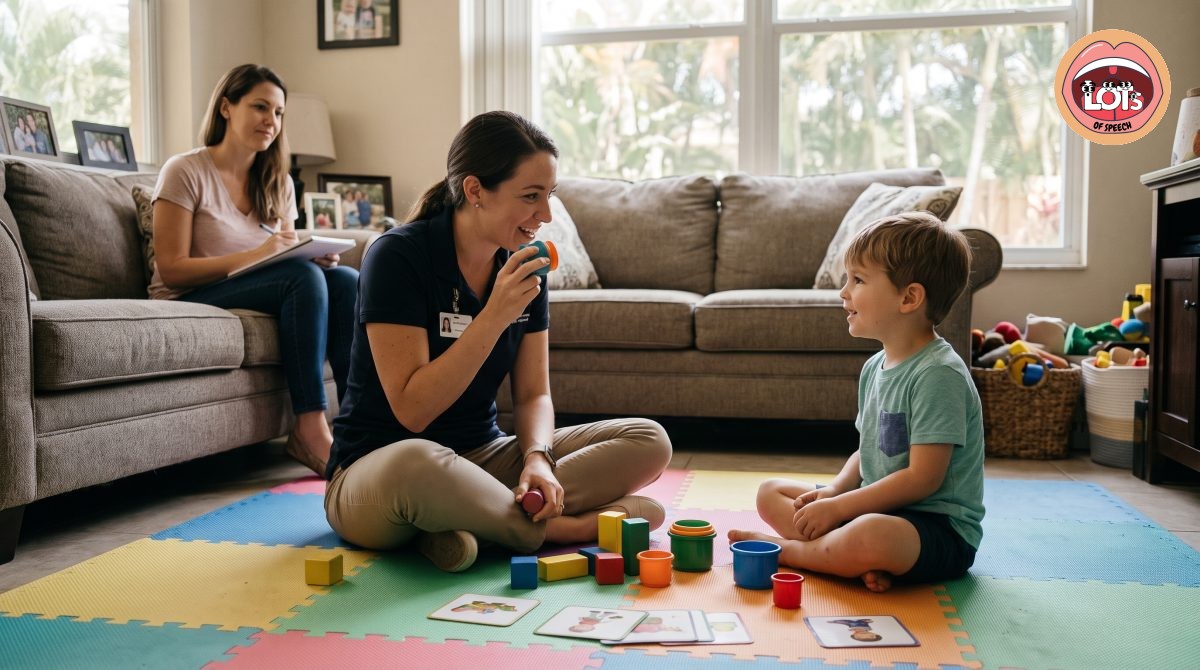
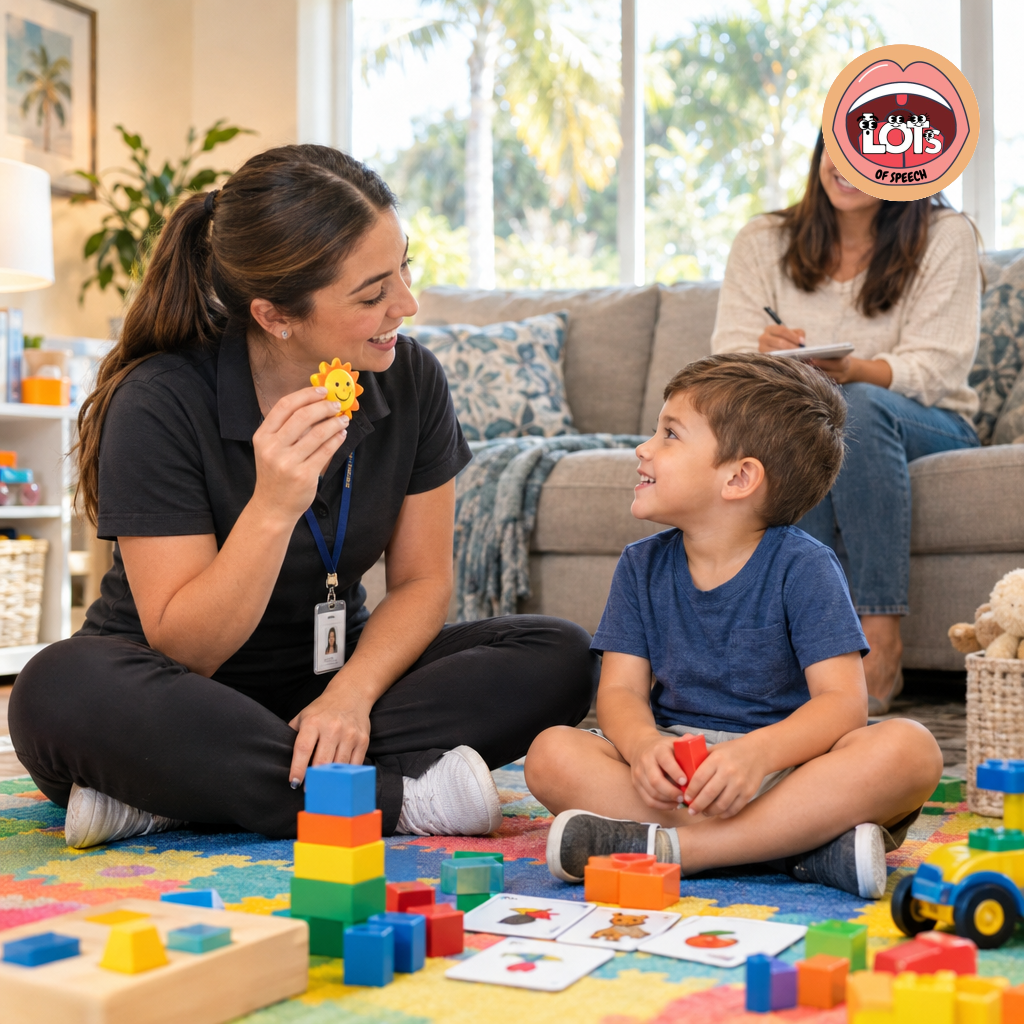
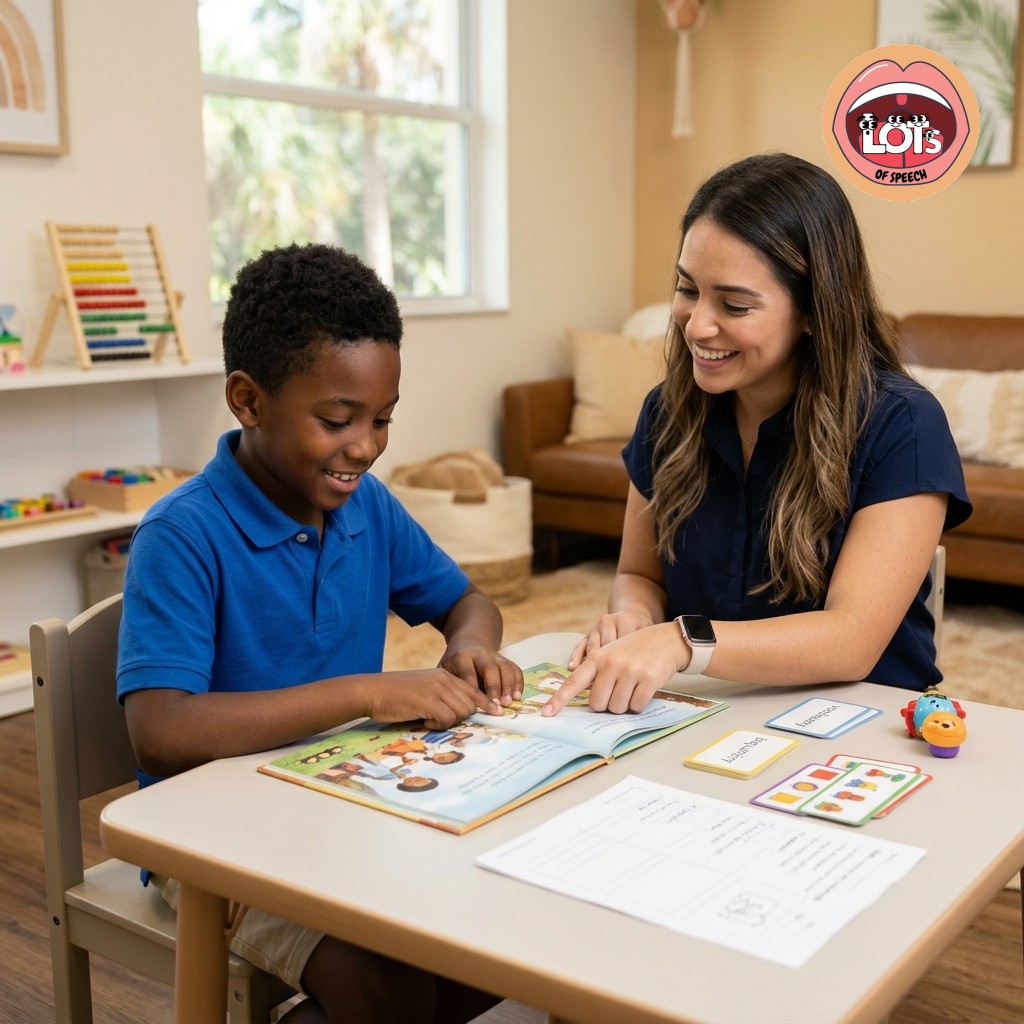
A play-based evaluation uses engaging activities to observe your child’s natural communication. An evaluation typically includes a listening check, observation of spontaneous play, and tasks that target the specific sounds you and the clinician are concerned about. The clinician will use both standardized and informal measures to identify patterns of speech sound errors and to differentiate articulation delay from speech motor issues. From there, you will get a clear explanation of findings, an individualized therapy plan, and practical strategies you can use at home. At Lots Of Speech we emphasize parent coaching, so therapists provide activities and routines parents can incorporate into daily life. Services are available in clinic, at home, or via teletherapy, and getting started often begins with a free screening to determine if a full evaluation is needed.
Takeaway and the importance of early action
Hearing your child make consistent substitutions, omissions, or distortions of sounds is not something to ignore. Comparing your child’s speech to expected milestones, watching for the red flags described here, and arranging a play-based evaluation will give you a clear path forward. Early, targeted intervention can prevent frustration and support social and academic success. If you are unsure, a professional screening can help you decide whether ongoing therapy is the right step for your family.
Frequently Asked Questions
How can I tell if my child's speech is just baby talk or a real problem?
Baby talk and normal early errors are common in toddlers, but a pattern of the same errors, unintelligibility to unfamiliar listeners, or lack of progress over several months are signs of an articulation delay. If you are unsure, schedule a screening with a speech-language pathologist who can assess whether the errors fit expected development or need intervention.
Will my child outgrow an articulation delay without therapy?
Some minor errors resolve naturally, but persistent or multiple speech sound errors often do not fully resolve without targeted therapy. Early intervention gives children practice and strategies suited to their needs, and parent coaching helps progress continue in daily routines rather than stopping once therapy ends.
How long does pediatric articulation therapy usually take?
Duration varies based on the number and type of errors, the child’s age, and consistency of practice at home. Some children show clear improvement in months, while others may need longer-term work to master complex sounds. A clinician will provide an individualized plan and realistic timeline after the initial evaluation.
Ready to see if your child would benefit from therapy?
Schedule a free screening with Lots Of Speech Pediatric Therapy to discuss your concerns and learn whether a full evaluation is the next step. Our therapists use playful, evidence-based approaches and parent coaching to help children find their voice.