Speech therapy is a highly specialized, evidence-based treatment designed to help individuals overcome challenges and improve their ability to communicate effectively. While the name implies a focus just on “speech,” the scope of practice for a certified Speech-Language Pathologist (SLP) is incredibly broad.
An SLP evaluates, diagnoses, and treats a wide range of developmental and physical challenges, helping individuals connect with the world around them. Here is a closer look at what speech therapy actually covers:
-
Speech (Articulation and Fluency): This involves the physical production of sound. SLPs help children learn how to coordinate their lips, tongue, jaw, and breath to pronounce words clearly (articulation). This often includes oral motor strengthening exercises to build the muscle control needed for clear speech production and to support the smooth flow (fluency) of speech for children who stutter or clutter.
-
Language (Receptive and Expressive): Language is about understanding and sharing ideas. SLPs help children improve receptive language (understanding what others say, following directions) and expressive language (using vocabulary, combining words into correct sentences, and expressing thoughts).
-
Social Communication (Pragmatics): Often referred to as the “unspoken rules” of conversation. SLPs help children navigate social nuances, such as taking turns in conversation, reading body language and facial expressions, staying on topic, and knowing how to appropriately talk to different people in different settings.
-
Literacy and Phonological Awareness: Speech and reading are deeply connected. SLPs often support foundational literacy skills by helping children understand that words are made up of individual sounds. This includes working on rhyming, blending sounds, decoding words, and improving reading comprehension.
-
Feeding and Swallowing: Because the same muscles are used for both talking and eating, SLPs are experts in the mechanics of the mouth and throat. They utilize oral motor strengthening techniques to help infants and children who have difficulty chewing and swallowing safely. They also support children transitioning to solid foods, as well as those who are “problem feeders” or extremely picky eaters due to sensory aversions.
What Does a Therapy Session Look Like?
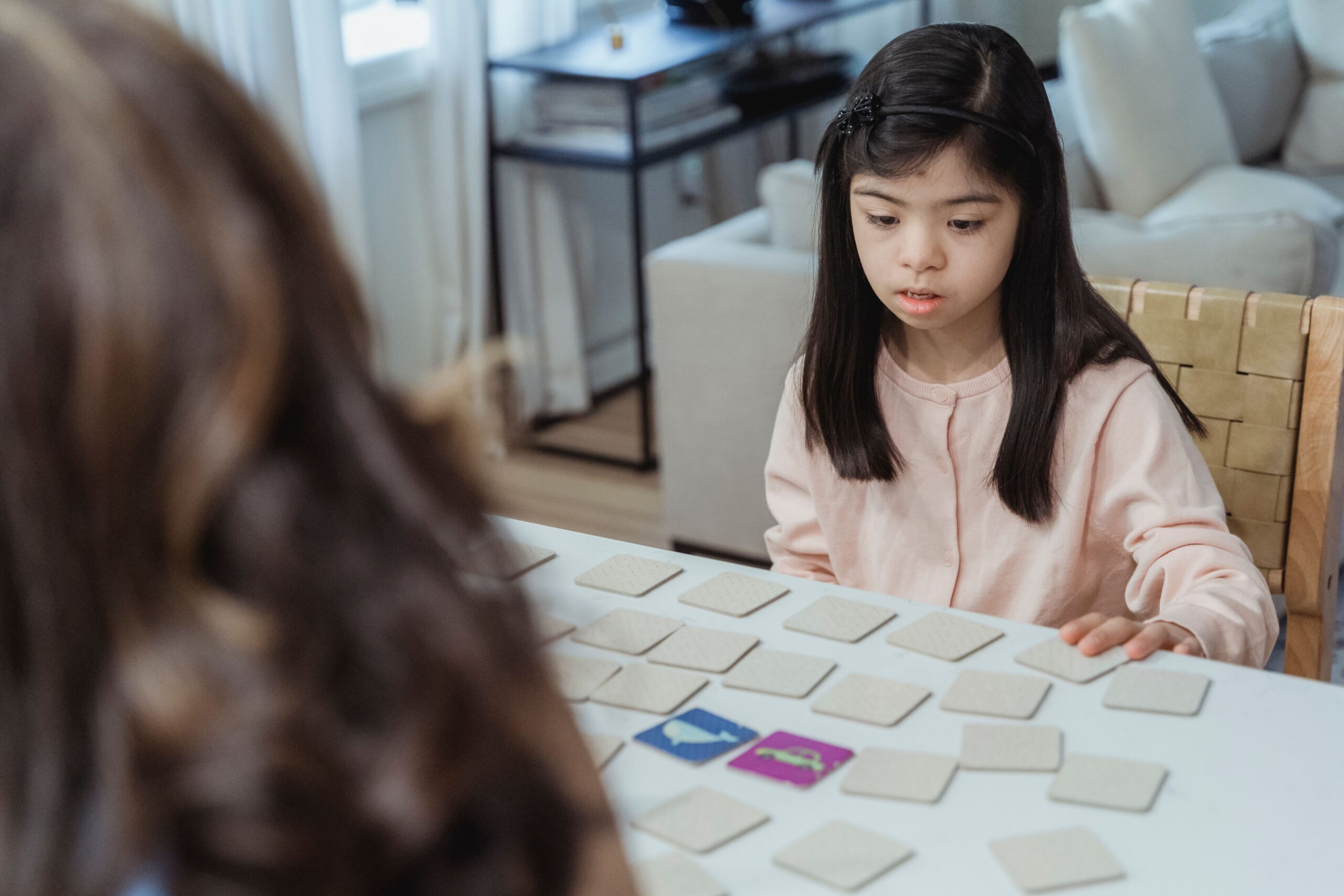
Therapy should never feel like a chore, especially for children! Pediatric speech therapy is highly individualized and relies heavily on play-based learning.
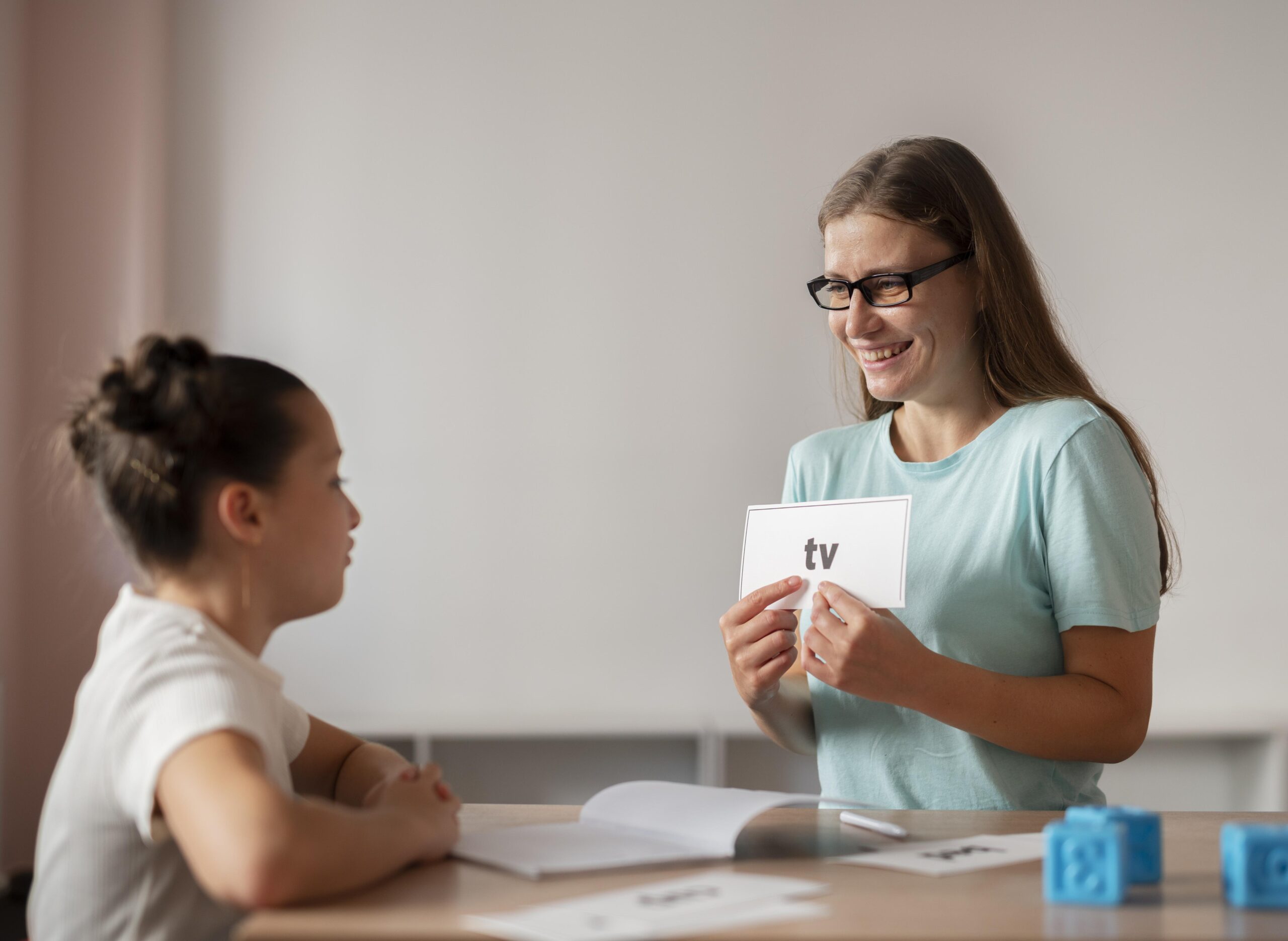
During a session, an SLP will use interactive activities tailored to your child’s specific goals and interests. This might include:
-
Playing structured board games to practice turn-taking and answering questions.
-
Reading books and storytelling to build vocabulary and comprehension.
-
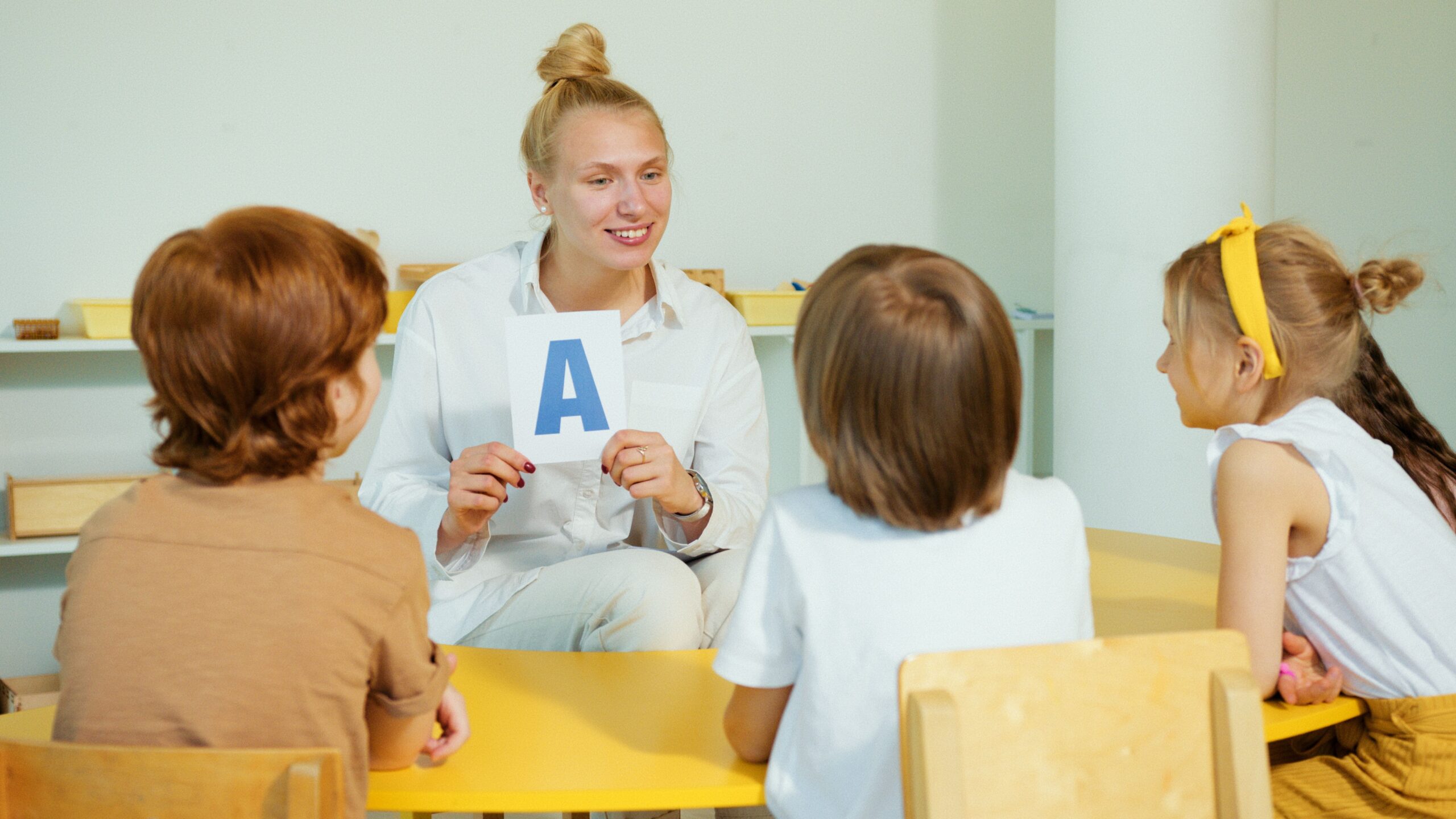
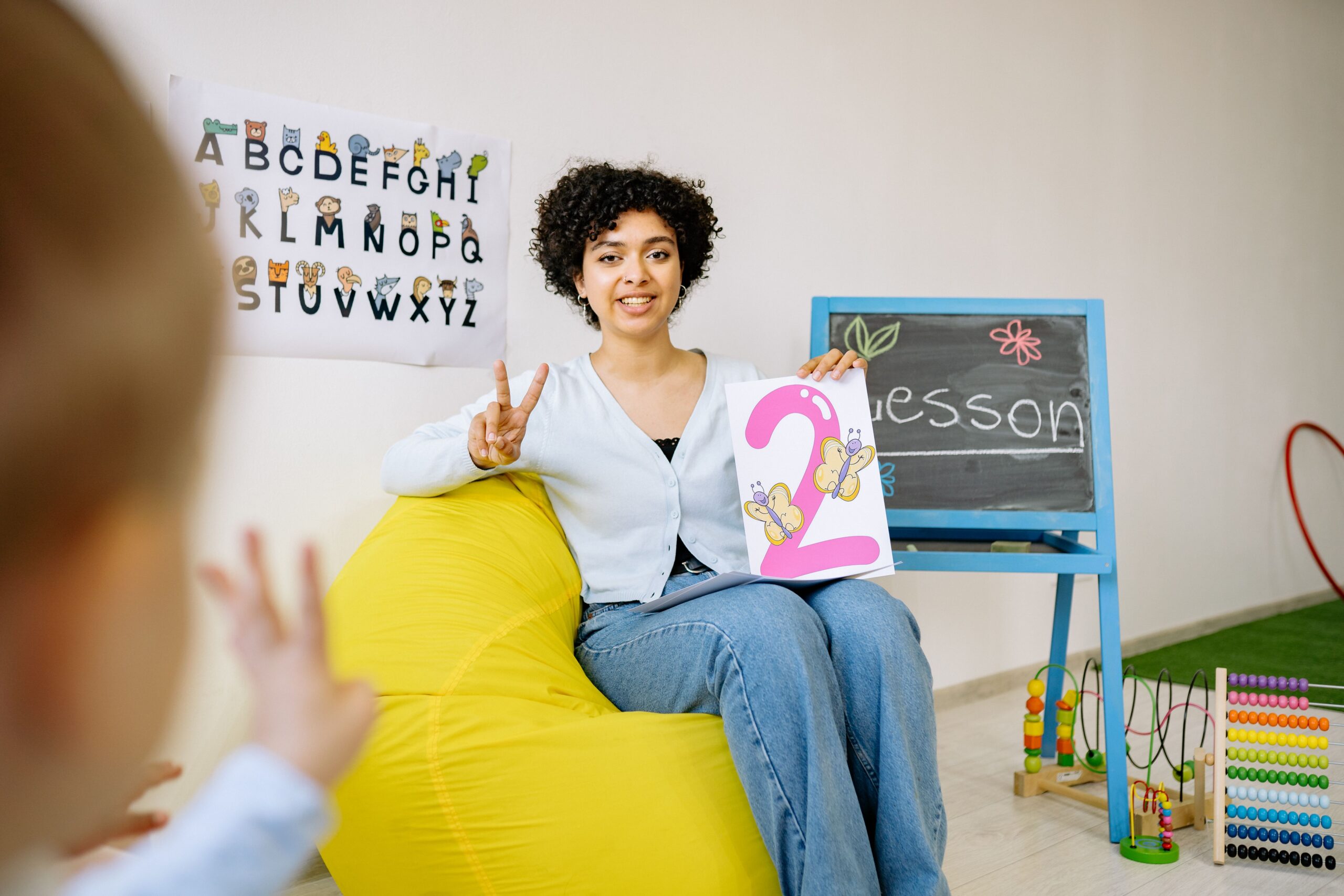
Using picture cards, mirrors, and tactile cues to practice the repetitive motor movements needed for clear articulation.
-
Exploring safe, sensory-friendly foods during feeding therapchity.
Every activity is intentionally designed to be engaging, making learning feel natural and effective while building your child’s confidence.
What Does Speech Therapy Help With?
Speech and Pronunciation
Helping children pronounce sounds correctly and improve speech clarity.
Language Skills
Improving understanding, vocabulary, sentence building, and expressing thoughts.
Social Communication
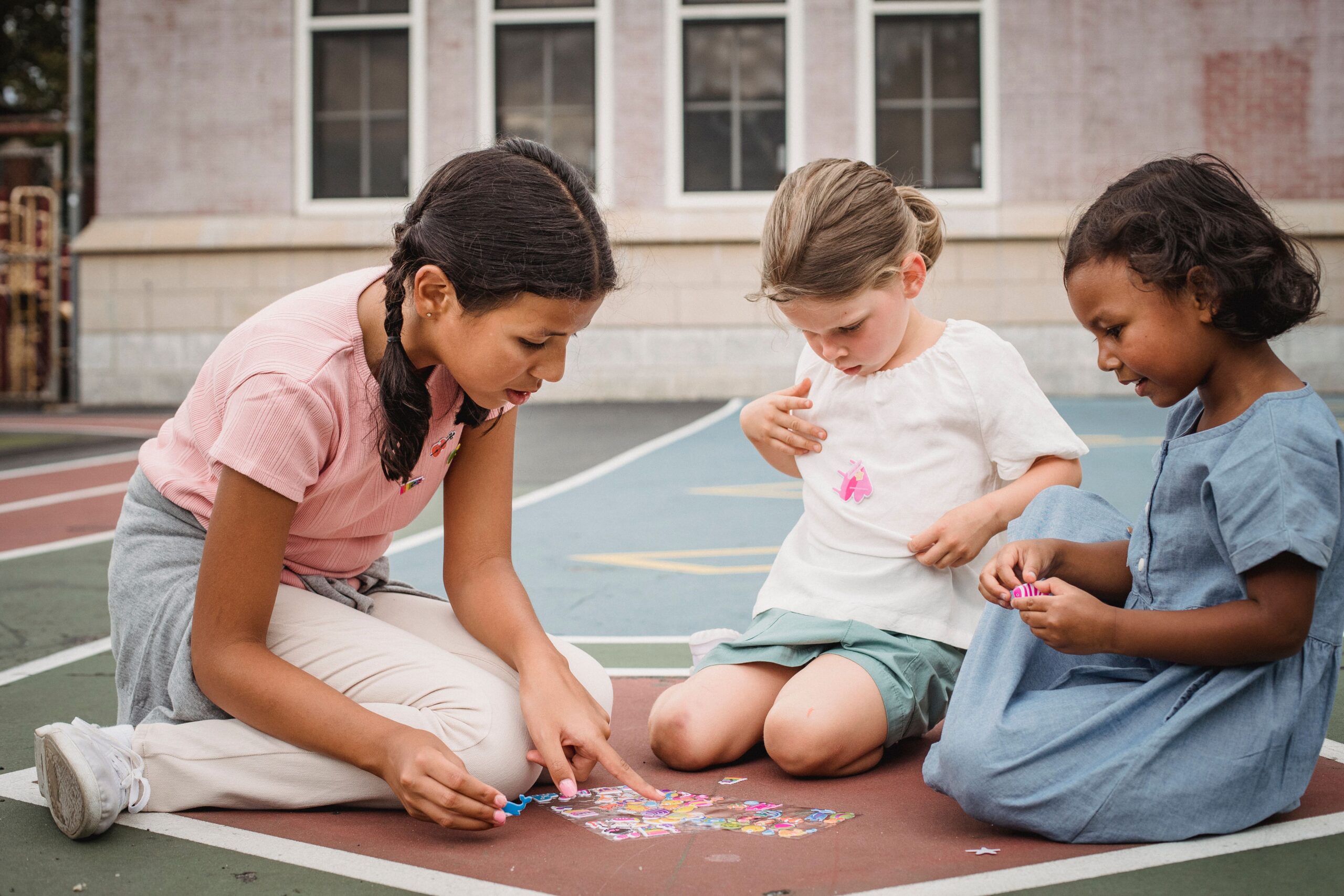
Teaching conversation skills, eye contact, turn-taking, and understanding social cues.
Reading and Learning Skills
Supporting phonics, reading comprehension, and early literacy development.
Feeding and Swallowing
Helping children who struggle with chewing, swallowing, or transitioning to solid foods.
What Happens During Therapy Sessions?
Speech therapy sessions are fun, interactive, and play-based. Activities may include:
- Games and puzzles
- Storytelling and reading
- Sound practice using pictures and mirrors
- Sensory-friendly feeding activities
Every session is personalized to match the child’s needs, goals, and interests while building confidence and communication skills.
Why Early Therapy Matters
Early intervention can make a significant difference in a child’s communication, learning, and social development. The sooner support begins, the greater the opportunity for long-term success.